The Sahara Desert experiences extreme climatic shifts between seasons and between day and night. Choosing the right time to visit ensures comfortable trekking temperatures and pleasant nights in desert camps.
| Season | Months | Daytime Temp | Nighttime Temp | Travel Recommendation |
| Spring | Mar – May | 24°C – 32°C (75°F – 90°F) | 12°C – 18°C (54°F – 64°F) | Best time (warm days, pleasant nights) |
| Autumn | Sep – Nov | 25°C – 33°C (77°F – 91°F) | 13°C – 19°C (55°F – 66°F) | Best time (clear skies, ideal for camping) |
| Winter | Dec – Feb | 16°C – 21°C (60°F – 70°F) | 2°C – 7°C (35°F – 45°F) | Great for day exploration; cold nights |
| Summer | Jun – Aug | 40°C – 45°C+ (104°F – 113°F+) | 25°C – 30°C (77°F – 86°F) | Very hot; activities limited to dawn/dusk |
Spring brings warm daytime temperatures and comfortable evenings. Desert vegetation blooms around oases, and days are long enough for extensive 4×4 excursions and camel rides. Occasional spring breezes occur, making a traditional Berber cheche (turban/scarf) essential for wind and sun protection.
As summer heat subsides, autumn provides optimal Sahara conditions. Days are sunny without being oppressive, sand temperatures remain warm for sandboarding, and night skies are exceptionally clear for stargazing and astrophotography.
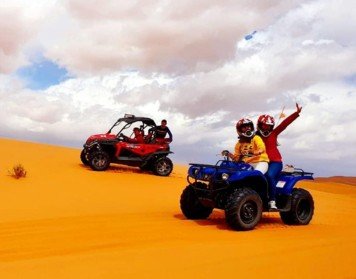
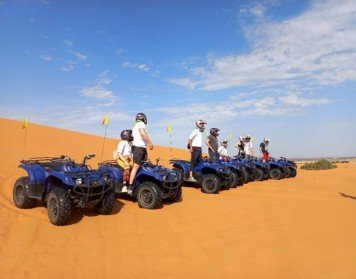
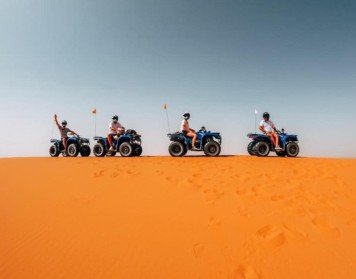
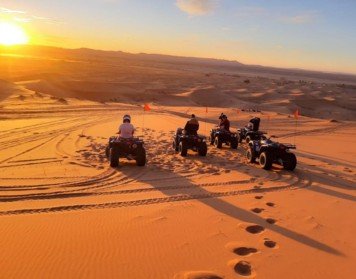
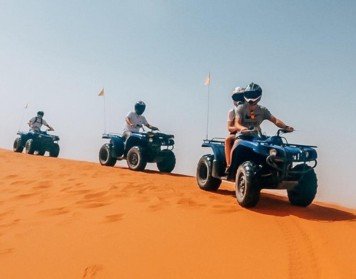
Winter offers mild, pleasant daytime weather—perfect for active hikes and quad biking without overheating. However, Sahara nights get very chilly (occasionally dropping near freezing). If visiting in winter, book a luxury camp with heating and heavy blankets, and pack warm fleece layers.
Summer in Merzouga sees extreme daytime temperatures often exceeding 40°C (104°F). While tours still operate, outdoor activities are restricted to early mornings and late afternoons. Most midday hours are spent relaxing in air-conditioned riads or beside swimming pools.